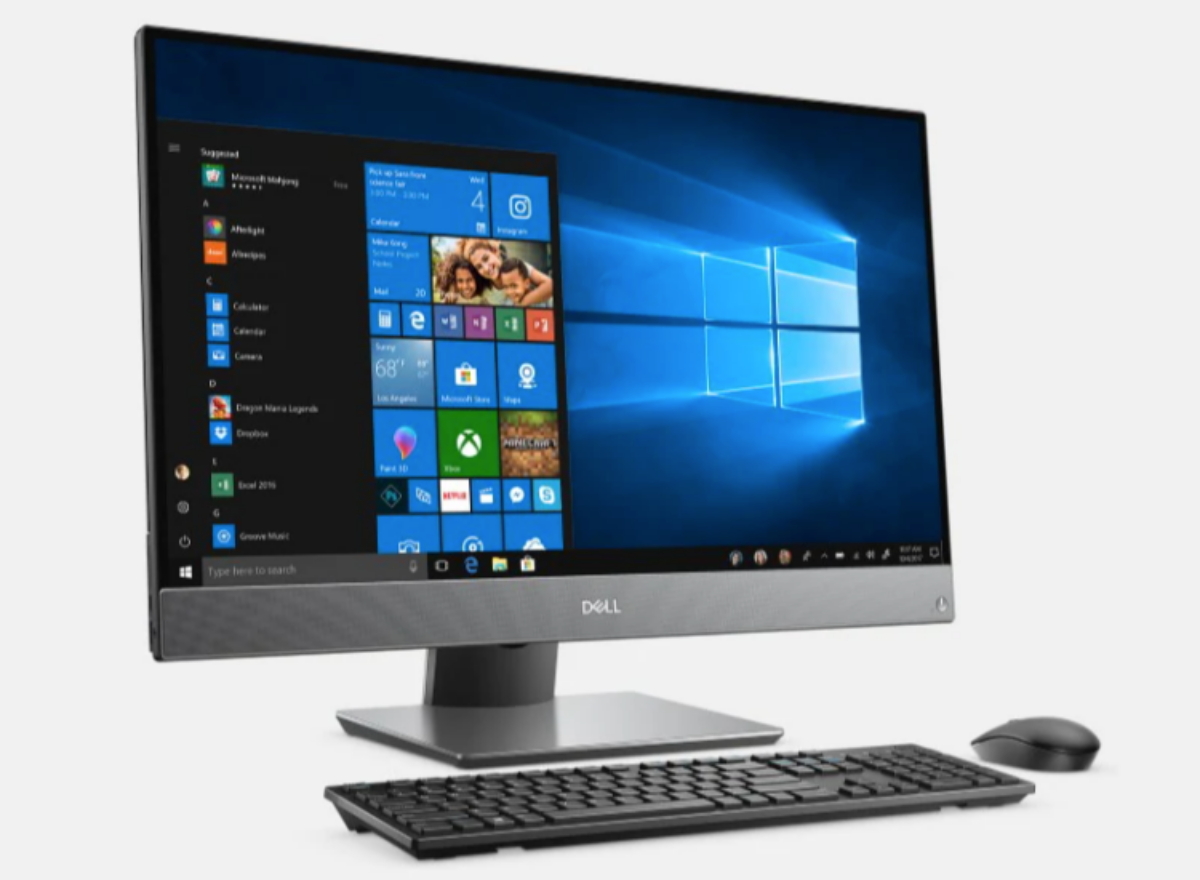
Windows 7 support ended in April of 2008, but it was not just an end to an operating system. It also marked the end of an time for the licensing of software and its administration. For individuals and businesses clinging to `windows 7`, the upgrade path to Windows 11 is not a simple re-installation--it's a migration to a fundamentally different digital paradigm. The shift includes everything from the way you buy a "windows 11 license" to the way your system is secured as well as how you work with Office. Cloud-integrated subscriptions and digital licences have replaced the old world of software suites that were isolated physical media, as well as one-time purchases. To make the transition smooth it is essential to comprehend the ten most important intersections between traditional methods, modern requirements as well as the OS. Decisions about your OS will directly impact on your productivity and security capabilities.
1. Hardware Gauntlet. Your first and unassailable step.
Windows 11 hardware requirements are essential to know prior to buying Windows 11 (TPM 2, Secure Boot and CPU modern). This check will fail many Windows 7 machines, particularly those older than 2017. This isn't an unintentional Microsoft cash-grab; it's a security requirement. These features provide the "hardware base of trust" on which contemporary security software like Windows Defender or even third-party software such as kaspersky premium depend. The attempt to override these restrictions with unofficial ISO modifications can result in an unstable, unsupportable system that negates the fundamental security advantages that come with the upgrade, leaving you more vulnerable than on Windows 7.
2. License Migration myth Myth of the migration of your Windows 7 Key (mostly obsolete)
Windows 10 has been activated through Windows 7 Pro keys in the past. Windows 11 has effectively ended the grace period. The existing Windows 7 license, particularly if it was an OEM license tied to an older motherboard does not have any upgrade value for a new Windows 11 installation on the same hardware that does not meet the specifications. It's a new beginning. You are searching for "windows 11 license" is a brand new purchase. You'll have to learn the retail and. OEM landscape.
3. The Office Licensing Revolution - From Standalone Licensing to Ecosystem.
You're probably familiar with an 'office lizenz' when you're running Office 2010 on Windows 7. Office 2021 (the modern equivalent) is a dead product from the beginning. It receives security patches, but has no new features. The path to upgrading productivity is now a subscription to Microsoft 365. This change is significant: You aren't just upgrading Office. It also comes with a cloud-based identity (Azure), 1TB of OneDrive space, as well as real-time collaboration. It's time for you to reconsider your old practice of purchasing office lizenz each 10 years to take advantage of ongoing costs that include updates and services.
4. Security shouldn't be a secondary concern. Removing the entire paradigm.
Windows 7 was likely a platform that came with an antivirus program from a third-party, like the Norton 360 version of the past. Windows 11 has changed the game. Its built-in Windows Security (Defender) is now a top-tier, cloud-based solution. Simply installing an older, third-party solution can cause conflict and slow performance. When upgrading is a good opportunity to review your. Do you think Defender with its modern hardware security features offer enough protection? Or do you need to purchase an additional suite like kaspersky? The answer is dependent on the threat profile you have, but you don't have to purchase separate antivirus programs.
5. The Clean Install Imperative and Data Migration Strategy
The upgrade that is in place of Windows 7 is not supported. This is a recipe for instability. It is necessary to do a clean install. This process forces a disciplined data migration. It's time to ditch local drives for cloud backups. Microsoft 365 includes OneDrive. Setting up Known Folder Move during setup (to backup Desktop, Documents and Pictures) changes the data migration process into a seamless cloud-synced, ongoing process. Data is no longer connected to a computer, instead, it becomes more user-centric.
6. The Professional Feature Crossroads : Pro is now the Minimum.
You must buy 'windows pro' if you previously used Windows 7 Professional to join domains, BitLocker or Remote Desktop Hosting. This is a mistake that you should avoid for commercial or professional use. Home is not able to join domains, and it doesn't include BitLocker encryption. Additionally, it is not equipped with the Group Policy Editor. If you're planning to upgrade from Windows 7 Pro to Windows 11 Pro or the Microsoft 365 Business subscription or Retail license is your only option to keep professional functions and data protection.
7. Beware of the Grey Market Siren call during Transition.
Many people buy cheap "windows 11 OEM" keys from grey markets because of the pressure to upgrade, and it is a shock to the wallet when you purchase new licenses. This can be a fatal error when you are transitioning. The keys aren't reliable and leave the user with an untrue foundation just as you are building an entirely new system. By investing in an authentic Retail license or a Windows subscription (like Microsoft 365 Business), you can enjoy peace of mind, 24/7 support from a customer, and assurance of an upgrade path in the future. The cost of a gray market important factor is the loss of all your data and time after it's deactivated.
8. Cloud Future-Proofing The Server Connection.
Windows 7 machines that were part of domain networks will likely be replaced by a server such as windows 2025. Windows 11 Pro will not suffice for this type of integration. It is also necessary to understand the nuances of the Cals. Azure Active Directory is part of Microsoft 365 Business. It is up to you to decide whether to move to Windows 7 and continue to invest heavily in on-premises servers and CALs. Or would you prefer to switch to cloud-based Identity and Device Management (Intune), via the monthly subscription? Both choices differ in regards to licensing and cost.
9. Driver Archaeology and the Need for a Modern Hardware Base.
Windows 7 thrived on a vast library of legacy drivers. Windows 11 relies heavily on drivers that are usually downloaded from the cloud using Windows Update. Windows 7 machines may be not able to be replaced by specialized hardware, like old scanners or proprietary scientific instruments. Upgrade assessment should include testing for compatibility with hardware. It is frequently found that an upgrade will need the purchase of new hardware. The most reliable and most practical choice is to purchase a new computer that comes with Windows 11 OEM installed.
10. A shift in philosophy: From Ownership and Management to Access.
The truth is that the upgrade from Windows 7 is a philosophical shift. The model of static software ownership (windows7 DVD or Office2010 box) is now replaced with an subscription-based service or digital license with specific transfer limitations. The security model shifts from an antivirus add-on to one that integrates hardware security. Data shifts from local storage to cloud-based storage. Accepting this transformation holistically, through legitimate Windows 11 Pro licenses, the Microsoft 365 subscription, and making use of modern security tools is the only way to ensure that the upgrade is not only the latest OS but also a durable modern, scalable, and dependable computing foundation for the next decade. Follow the recommended windows 11 kaufen for blog examples including office 2016, microsoft office key, microsoft 365 key, microsoft office 2016, micro soft outlook, windows server 2016 server, office 2019, micro soft outlook, key 365 office, ms office 2019 and more.
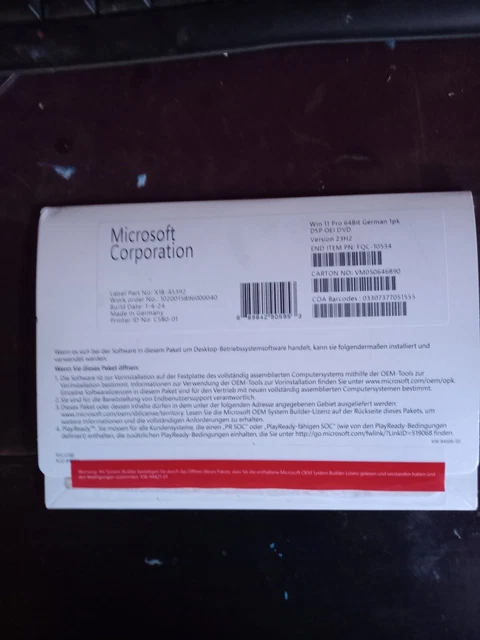
Software Bundles Are They Worth It? Norton 360 Office Deals.
The allure of software bundles could be a powerful tool in the search to find value. For example an offer which combines the benefits of a Microsoft "office lizenz" with Norton 360. These deals, which are often available when purchasing a new computer or from large retailers offer savings and convenience on the surface. But the real value of these bundles cannot be evident in the headline discounts and more in a thorough analysis of licensing alignment, feature overlap, and the long-term suitability for the particular digital ecosystem you are in. A bundle that includes the perpetual license of a software product together with a subscription security package results in a fundamental gap between the management of products and the lifespan of the products. To evaluate the benefits of these bundles, you need to take off the layers to know how the bundles work with your current operating system, your ability to upgrade away from old software (like windows 7) as well as with your overall requirements for centralized management or for integration with services (like windows 2025). The following ten factors decide if the bundle is a good strategic fit.
1. The core mismatch: Perpetual License and. Subscription.
Conflicts between license models are the biggest flaw in most of the Norton360 + Office bundles. Norton 360 requires an annual subscription. Office 2021) is often a perpetual version of the year's Office licensing. It creates a different lifecycle. The antivirus software needs to be renewed each year, but the Office suite is inactive until you purchase a newer version (often five years or more later). The "savings" that you get, if there are any, that you can get from the bundle are a one-time occasion that binds you to an annual Office edition, without reducing your Norton subscription. This is not an integrated bundle, but a decoupled one.
2. Bundles can hide the question "Which Office?" Question.
The term "Office" is not clear. It's unclear. What is it the Office Professional perpetual suite or the Office Home & Student (which includes Outlook restrictions and does not allow commercial usage)? A bundle could advertise "Microsoft Office" but deliver the one that's not adequate for the majority of business scenarios. Make sure you check the SKU for the bundle before you value it. No matter how much you save on Norton, if Outlook for email is required the bundle that includes Home & Student will be worthless.
3. The legitimacy of your Windows License is important.
Norton 360 and Microsoft Office, rely on stable, updated Windows systems to function optimally. If your computer runs a windows oem questionable key that you purchased through a grey-market site called windows lizenz then its security is compromised. Security suites and productivity software that are installed on a vulnerable OS are constructing on the sand. The benefit of the bundle is removed if the platform core is compromised or deactivated. This can affect the licensing of both products that are bundled.
4. Windows 11: Redundancy and conflict with built-in security
Windows 11 includes robust, cloud-integrated security features in Windows Defender. Norton 360 can create feature conflicts and overlapping. The bundle may be forcing you to pay for and run a security suite you don't technically require. Start the evaluation with an honest evaluation. What is the user's behaviour or threat model need the additional features offered by Norton like its password manager or dark web monitoring or VPN? Or will Defender, that is free and integrated could be sufficient? Often, the bundle assumes the first option without asking.
5. The "Upgrade Windows 7 Context": A possible bridge for the short-term.
A bundle like this could be useful for a user who finally migrates from "Windows 7". This bundle offers the well-known security suite (Norton) and the most recent Office version, all in one transaction. It eases the transition shock. However, it is a shortsighted bridge. Microsoft 365 would offer continuously upgraded Office with improved security (through Defender For Endpoint in higher plans) and all of this in one manageable subscription. The bundle might assist users in moving away from Windows 7, but it can also force users to use an old model (perpetual Office).
6. Business Management Overhead: The Anti-Synergy.
The bundle of Norton 360 and Office standalone licenses could be a problem for any business. The management console is not unified. Norton must be renewed separately. Office installation is managed manually. Two different portals from the vendor are utilized. Microsoft 365 Business Premium subscriptions control security, Office apps, identity and advanced policies all from a centralized admin area. The perceived savings of bundles quickly disappear due to increased IT expenses.
7. Isolation of Perpetual Office - Cloud Ecosystem is missing
The office license offered in these bundles is an entire island. It does not include OneDrive Cloud Storage, Microsoft Teams, and the co-authoring collaborative in real time tools that are the foundation of modern work. It's a PC-based product that doesn't offer cloud backup. You can get a Norton security suite that comes with its own cloud backup. This can result in a confusing experience. You're paying for two distinct, non-communicating stacks. M365 would allow you to integrate both seamlessly.
8. Kaspersky Premium: A Better Alternative to the competition.
Unlike Norton, "kaspersky premium" is not as often bundled with Office. It competes directly on the security front. Its main selling point is its the superior heuristic detection that appeals to power users. In reviewing the Norton+Office bundle you must ask yourself: "Would it be better to purchase a perpetual Office licence separately and then pair it with a different security program such as Kaspersky that more closely matches my preferences in terms of technology?" The bundle does not allow this.
9. Zero integration Zero Integration Advanced Infrastructure Windows Server and CALs
These consumer/business-consumer bundles exist in a silo completely separate from organizational IT infrastructure. They don't provide any synergy or pathway to an environment running Windows Server 2025 as well as the necessary "cals". These products cannot be managed by Group Policy. They are intended for small or single-user offices. This package is an expensive waste if you are planning to expand your business and require a formal server.
10. The real cost calculation is: Bundle price vs. strategic subscription.
To better understand the value you are getting you can run a Total Cost Of Ownership (TCO). Compare Bundle: It is the price of a one-time package plus (Norton 360's annual subscription time 3) + the price of the next Office permanant license, which will be in 2026. Microsoft 365 Basic/Premium vs. Microsoft 365 Basic/Premium (Monthly subscription x 12 months). The subscription almost always comes with always-up-todate Office 1TB OneDrive cloud storage, business email as well as advanced security and management tools. The "discount", which was initially offered, is often canceled at this point and you are left with less efficient and difficult to manage software. The bundle's worth is typically an illusion for those who requires more than the most basic isolated computing. Read the best kaspersky premium for website advice including office 2019 professional plus, outlook software download, windows & office, office 365 office key, microsoft ms office 2016, visio software download, microsoft office key, microsoft office software key, windows office software, windows server 2016 server and more.